






39 communes
350 km2
281 ha
of parks and gardens
100 kms
of cycle routes
33%
of day trips can be done on foot
Nature comes first…
A skyline of greens and blues
In Amiens Métropole you’ll be able to breathe, oxygenate your body, and clear your mind… Our agglomeration community is a leafy green paradise, and an oasis of relaxation and wellbeing. Amongst the community’s many villages, which sometimes have quirky names like Grattepanche, Guignemicourt, Seux or Pissy you’ll find ponds, groves, hiking trails and cycle routes waiting to help you refresh, heal, and find peace! Down in the leafy valley of the Somme, or somewhere along a narrow river winding between majestic poplar trees, in the marshlands, by the ancient peatlands which have since become ponds, and even on the fertile, sustainably-farmed plateaus… Wherever you go, this is the perfect place for wandering around and daydreaming!
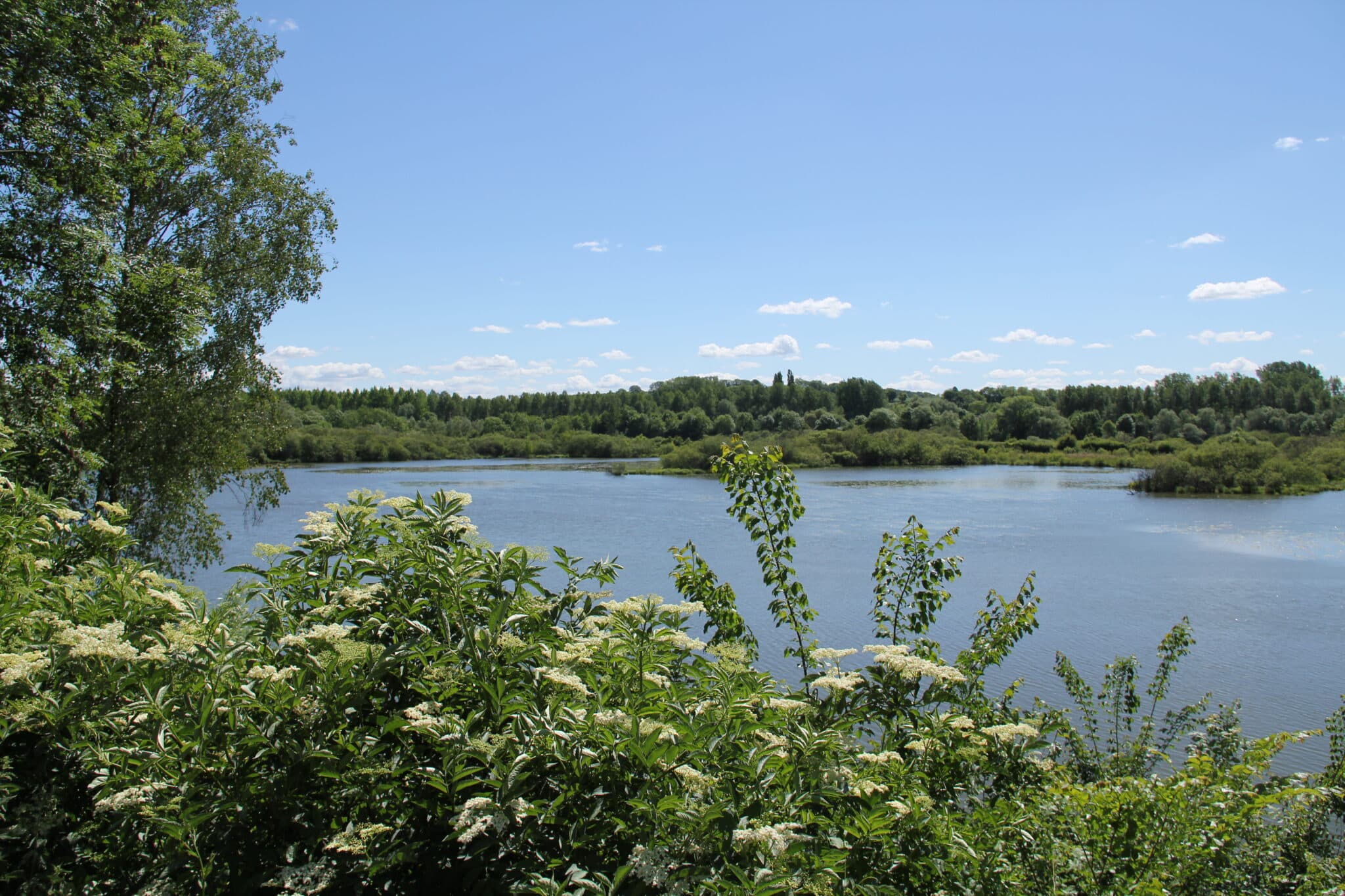
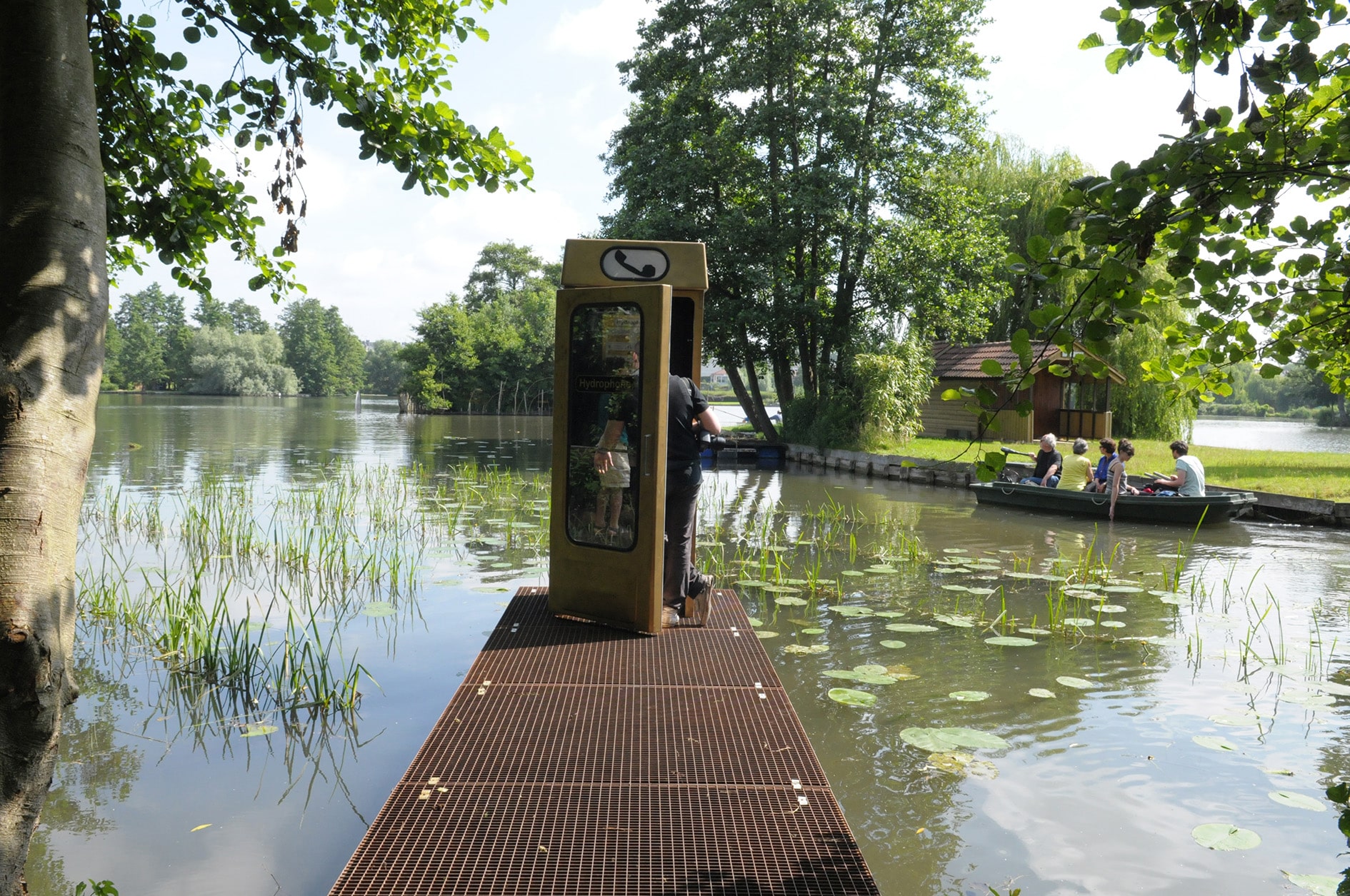
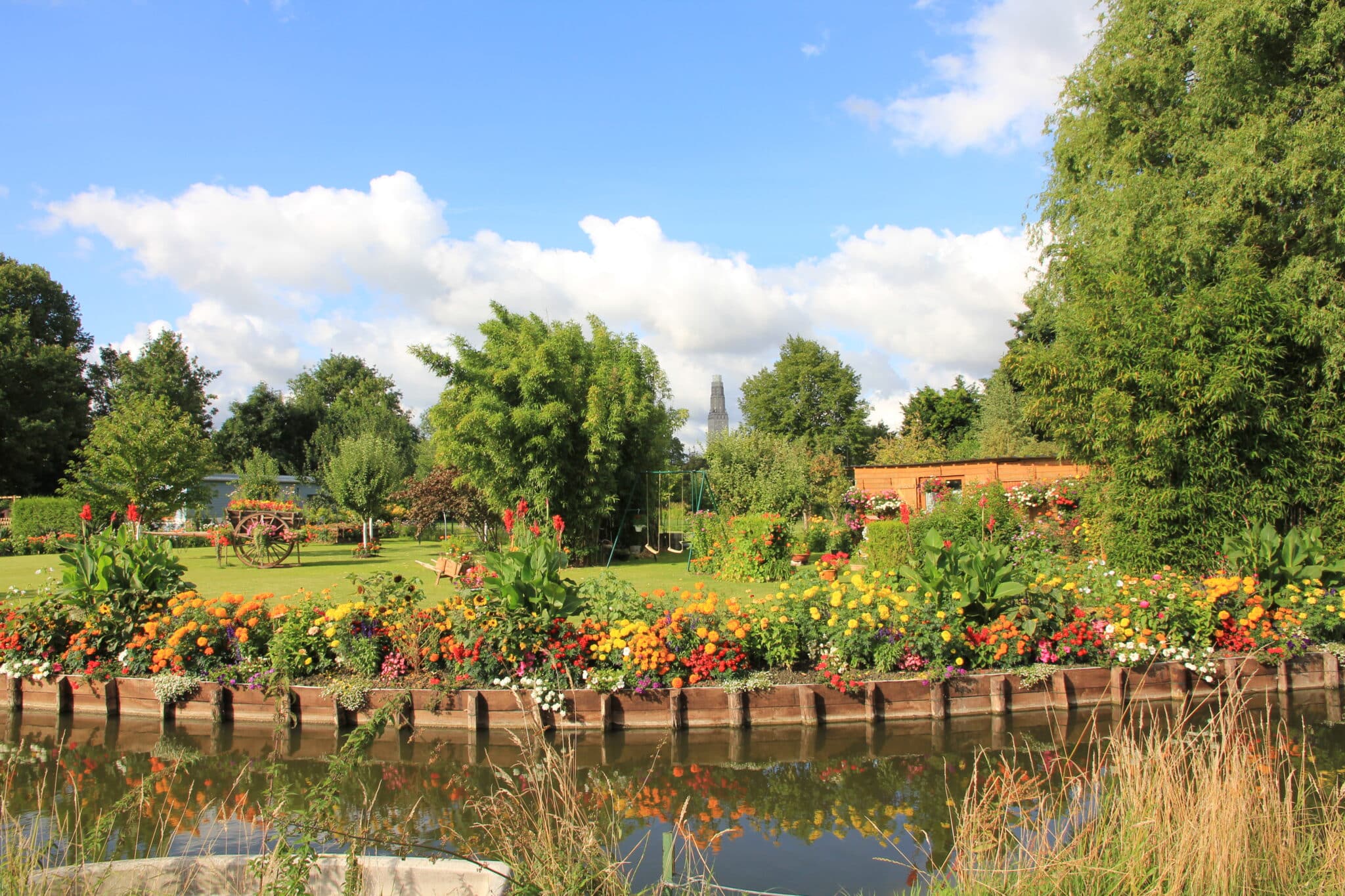
Of the area’s many treasures, we’d like to highlight the Queue de Blangy-Tronville marsh; the Saint Ladre de Bovres Pond nature reserve; the hortillonages, or ‘floating gardens’ on the edge of Camon and Rivery; the garden of Allonville, tastefully named “Entre Charmille et Buis” (Between Arbour and Boxwood); the Saveuse plateau, boasting an unparalleled view over Amiens; the Maison de l’Abeille (‘The Bee House’) in the old Thézy-Glimont train station; and the peace and quiet found in the residential villages of Saleux, Salouël, Saint-Fuscien and even Sains-en-Amiénois, with plenty of guesthouses awaiting your visit. For the sporty amongst you, we suggest adding the magnificent golf courses of Querrieu and Salouël to your itineraries.
A historically-charged land which respects its heritage
Part of France’s history lives on in our hearts!
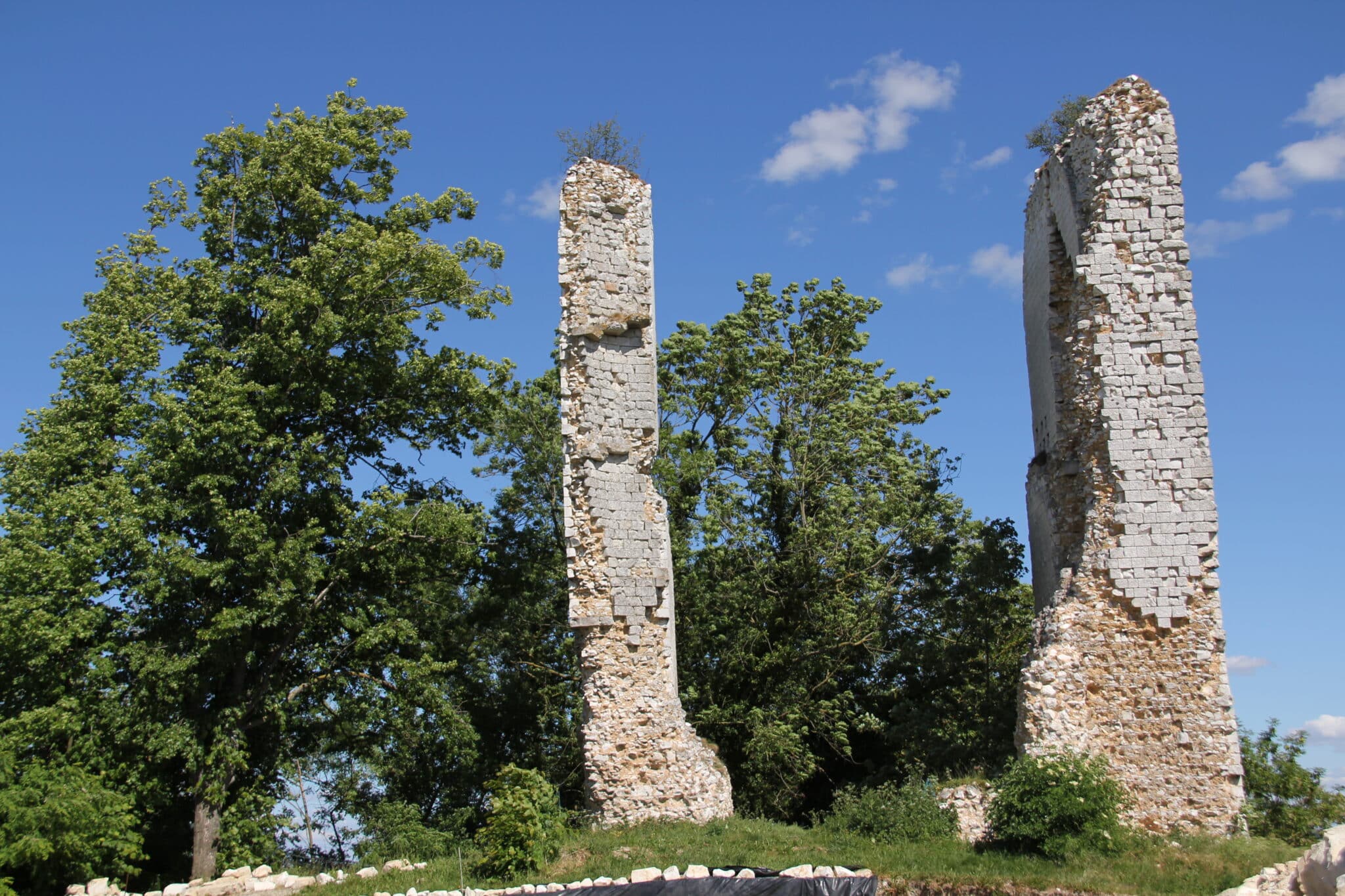
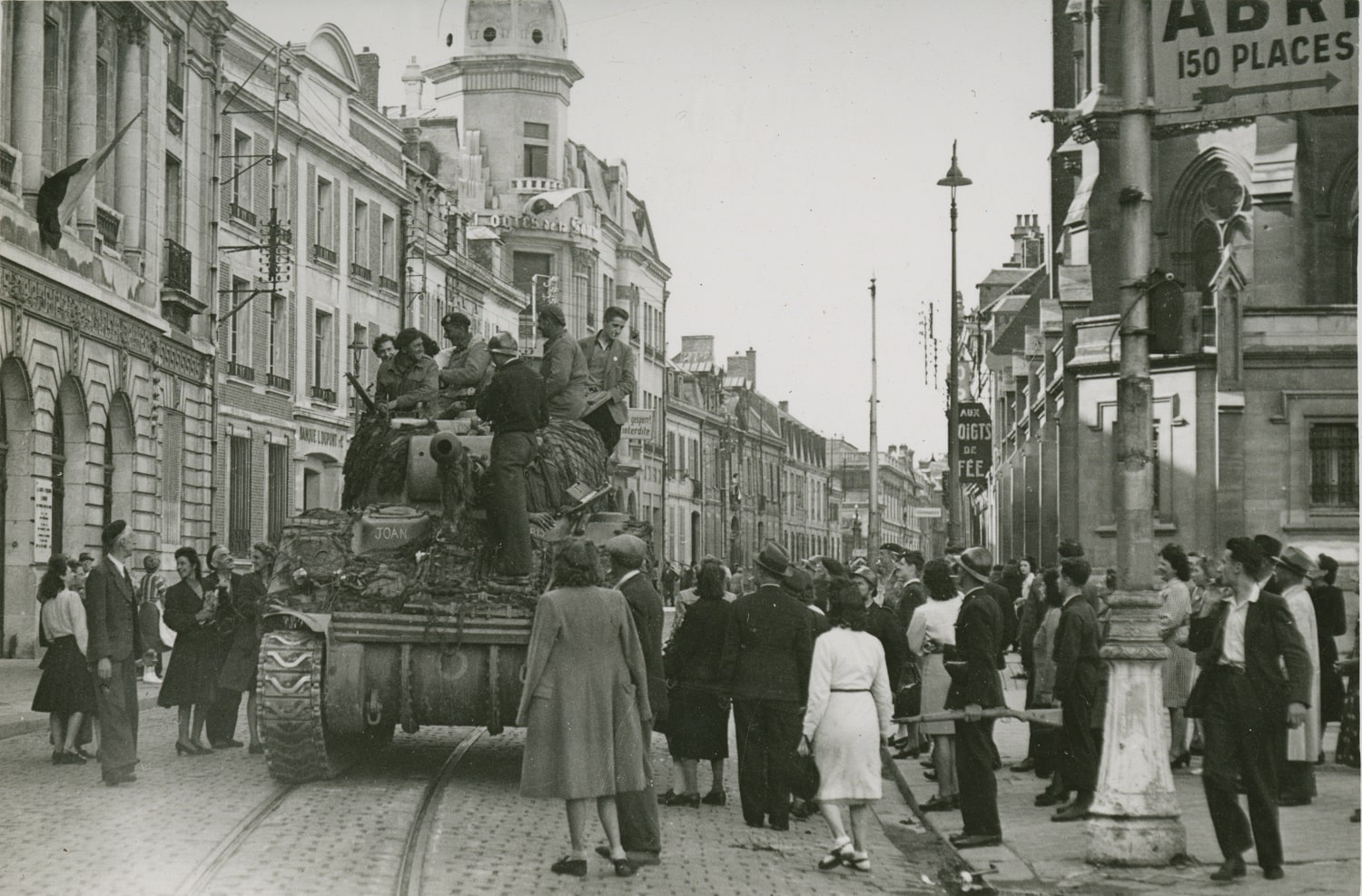
This area, from the Cagny/La Garenne archaeological site dating back to the palaeolithic era to the steles commemorating the Liberation of Amiens by the British on the 31st of August 1944, is forever marked by its history. The most iconic remnants include the Boves castle mound, of great archaeological interest; the pillar commemorating the Battle of Dury on the 27th of November 1870; and Bertangles Castle, the headquarters of the Australian General Staff in 1918 where the decisive attacks of the Battle of Amiens were coordinated and which led to the final victory under the command of General John Monash.
54 BC
Julius Caesar’s passage
1597
Amiens captured by the Spanish
1870
the Franco-Prussian War
1916 and 1918
the First and Second Battles of the Somme
Mai 1940
German bombings
Mai 1944
Allied bombings
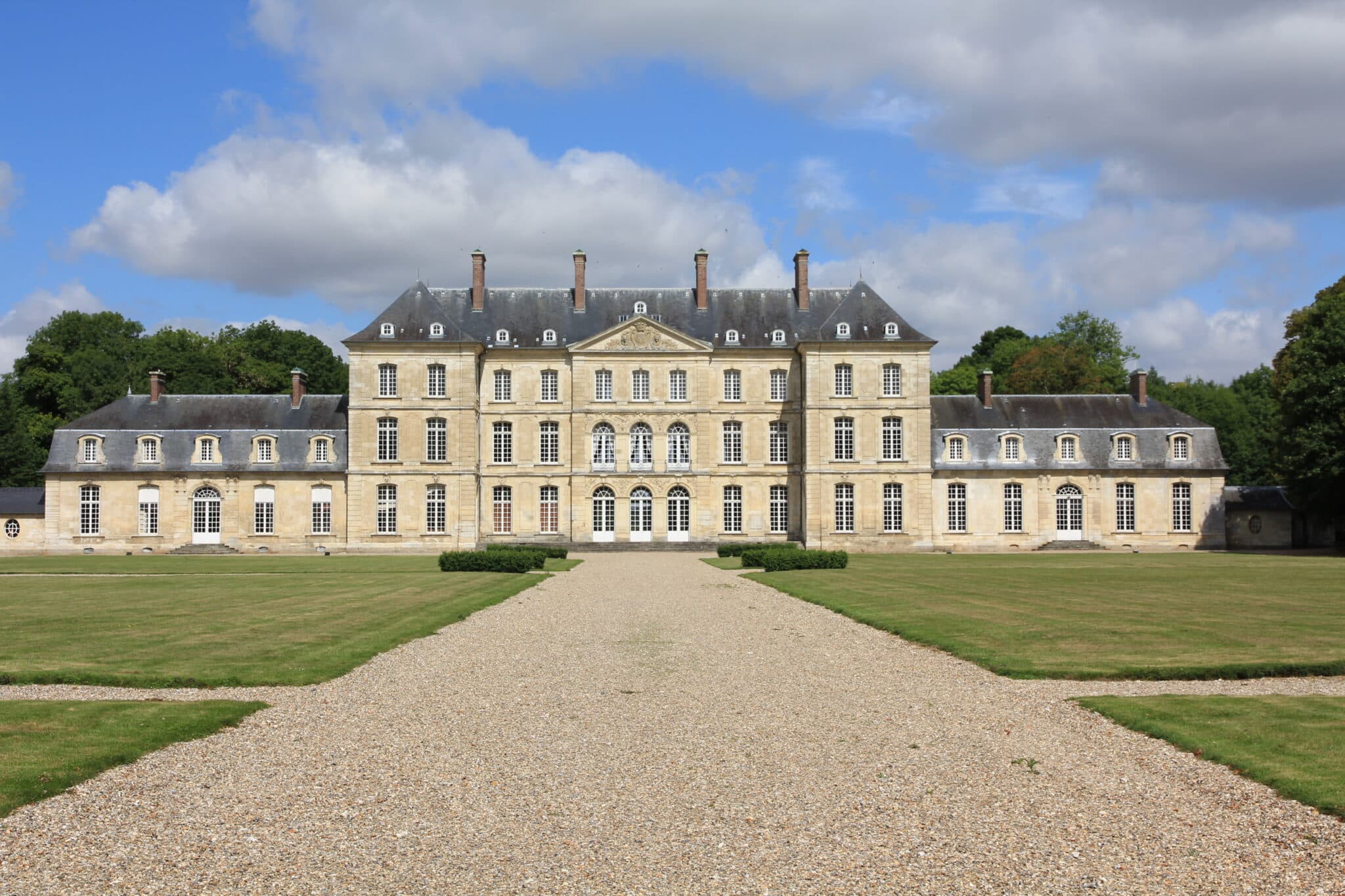
You can visit this castle in summertime every year. We’d also like to give Querrieu Castle a special mention. During the First World War, the Fourth Army of the British Expeditionary Force occupied the premises, under the command of General Rawlinson. This is where, on the fateful day of the 1st of July, 1916, army chief Marshal Haig gave the order to attack. You can visit this castle from April to September, by prior appointment. In March 1944, the important railway worker town Longueau was subjected to bombings so violent that an evacuation order was issued by the authorities of the occupation. There were 21 bombing raids in three days. 1,132 buildings were affected, and all railway facilities apart from the passenger station were destroyed. These are just a handful of the many noteworthy facts about the area.
126
castles in the Somme
1
is classed as a ‘Historical Monument’ (Bertangles)
9
are registered as ‘Historical Monuments’
12 août 1918
the King of England, George V, ennobled the Australian General Monash on the steps outside Bertangles castle
Prestigious cultural heritage
Castle life, living the high life right on Amiens’ doorstep!
Amiens Métropole was the fiefdom of numerous families who left behind magnificent castles, which still stand despite the turbulence of history. Here are just a few illustrative examples: there are the castles of Clairy-Saulchoix, Querrieu and Pissy, which date back to the 17th century, and there’s the castle of Bertangles from the 18th century. Recognised as one of the biggest castles in the north of France, it’s home to a huge park full of French formal gardens. Even today, this castle is the residence of the Counts of Clermont-Tonnerre. Other unmissable castles from the 18th century include the castles of Remiencourt (Boufflers Castle), Bovelles, Ferrières and Rumigny. Tucked away next to the forest, Creuse Castle and its park and 4-hectare gardens form an outstanding combination: an English landscape park; a series of garden ‘rooms’ with ponds, vegetable patches, and oriental gardens; and a wild area with an orchard, a small woodland area, and grasslands dominated by a windmill from the 19th century.
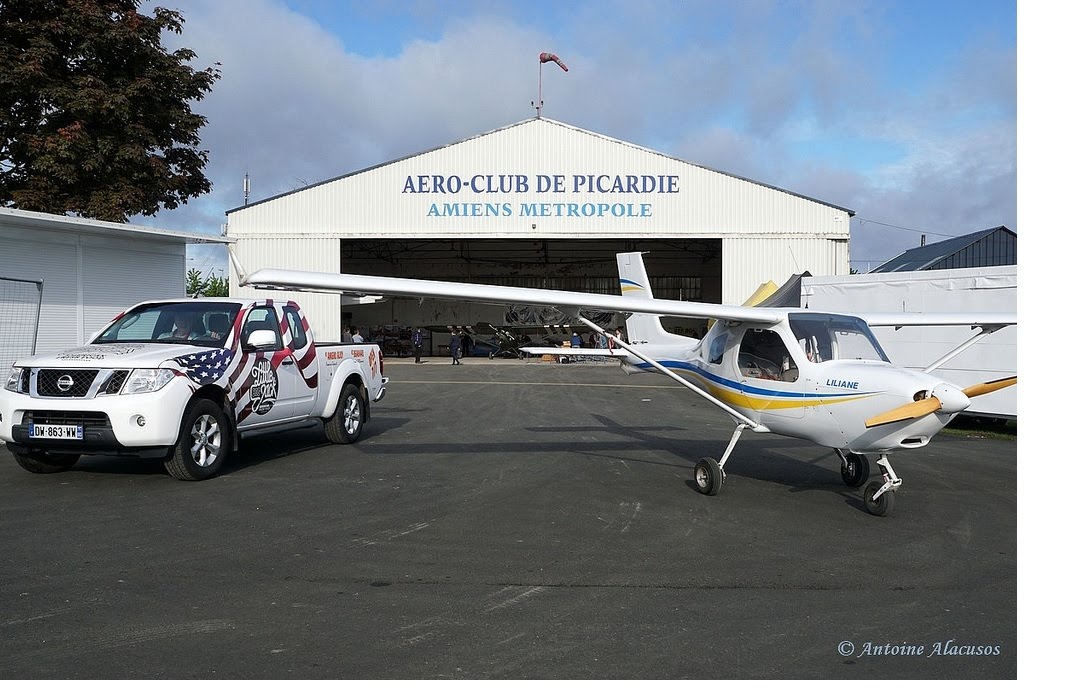
The Picardie Amiens Métropole Flying Club is based in Gilsy airfield, seven kilometres east of Amiens.
This centuries-old club is bustling year-round with experienced instructors and has a number of activities on offer: initiation flights, first flights, themed flyovers, group options (for young people, academics, leisure centres, and works councils), festive gatherings etc. around four main activities: plane aviation, aerobatics, glider aviation (both for fun and competitively), and ultralight aviation. There’s a clubhouse where you can meet up and greet your friends. Pilots can make use of a fully-equipped classroom and flight preparation room. Club access is adapted for people with reduced mobility.
Route de Saint Quentin 80440 Glisy / Tel: 03 22 38 10 70 / https://www.aeroclub-picardie-amiens.com/
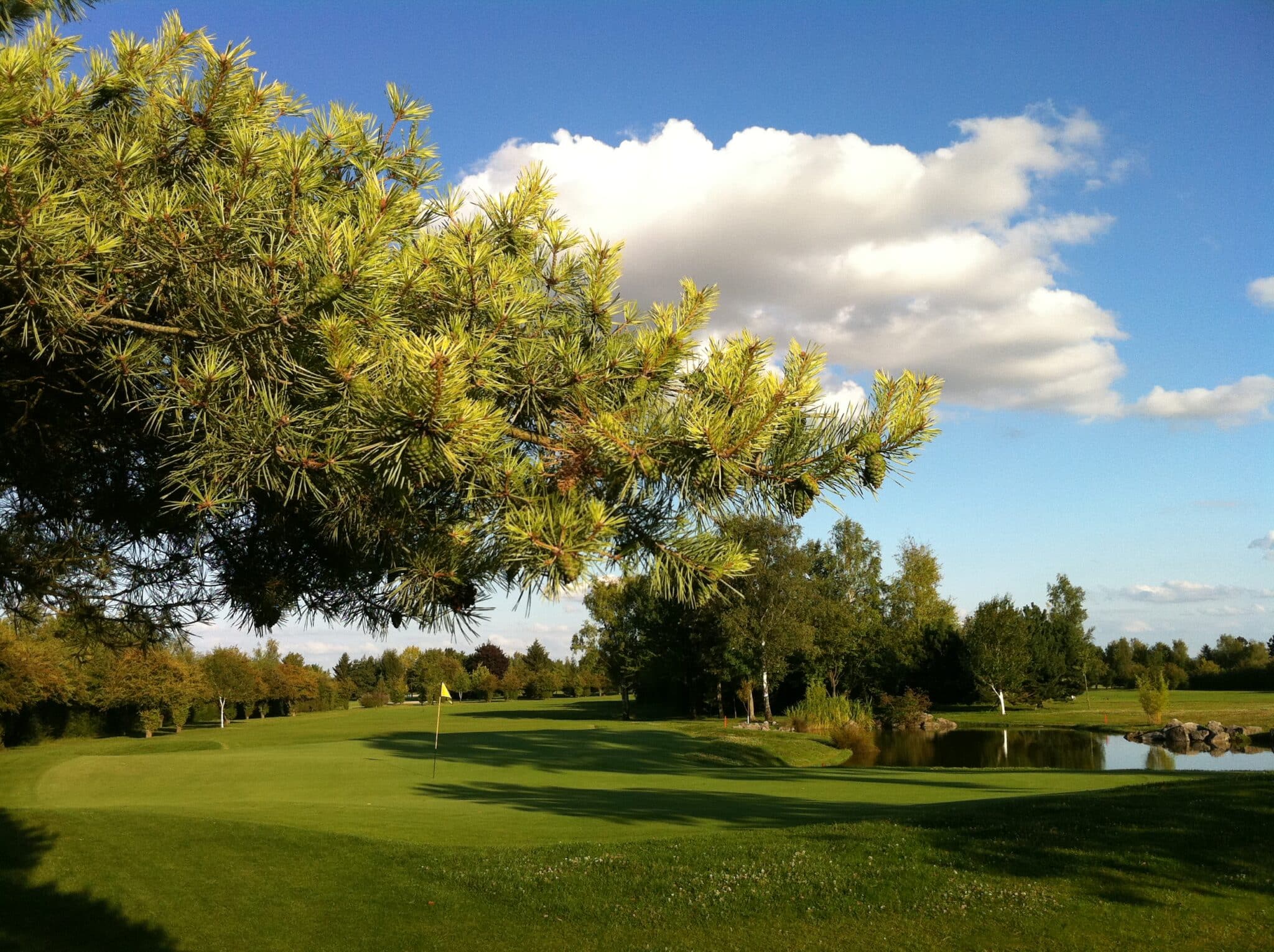
The Grand Amiens Golf Club located in Querrieu, 12 km north west of Amiens.
It’s a 500-member community golf club. Players can demonstrate their skills on its flat, 18-hole course, which is bordered by a forest. Make your plays thoughtfully – it’s a lot easier to play if you stay on the green. The chalky subsoil guarantees good drainage, ensuring year-round dry play. The restaurant offers an unparalleled view over the course. There, you can enjoy the friendliness of the clubhouse’s lounges and its terrace.
RD 929, 80115 Querrieu / Tel: 03 22 93 04 26 / http://www.golfamiens.fr/
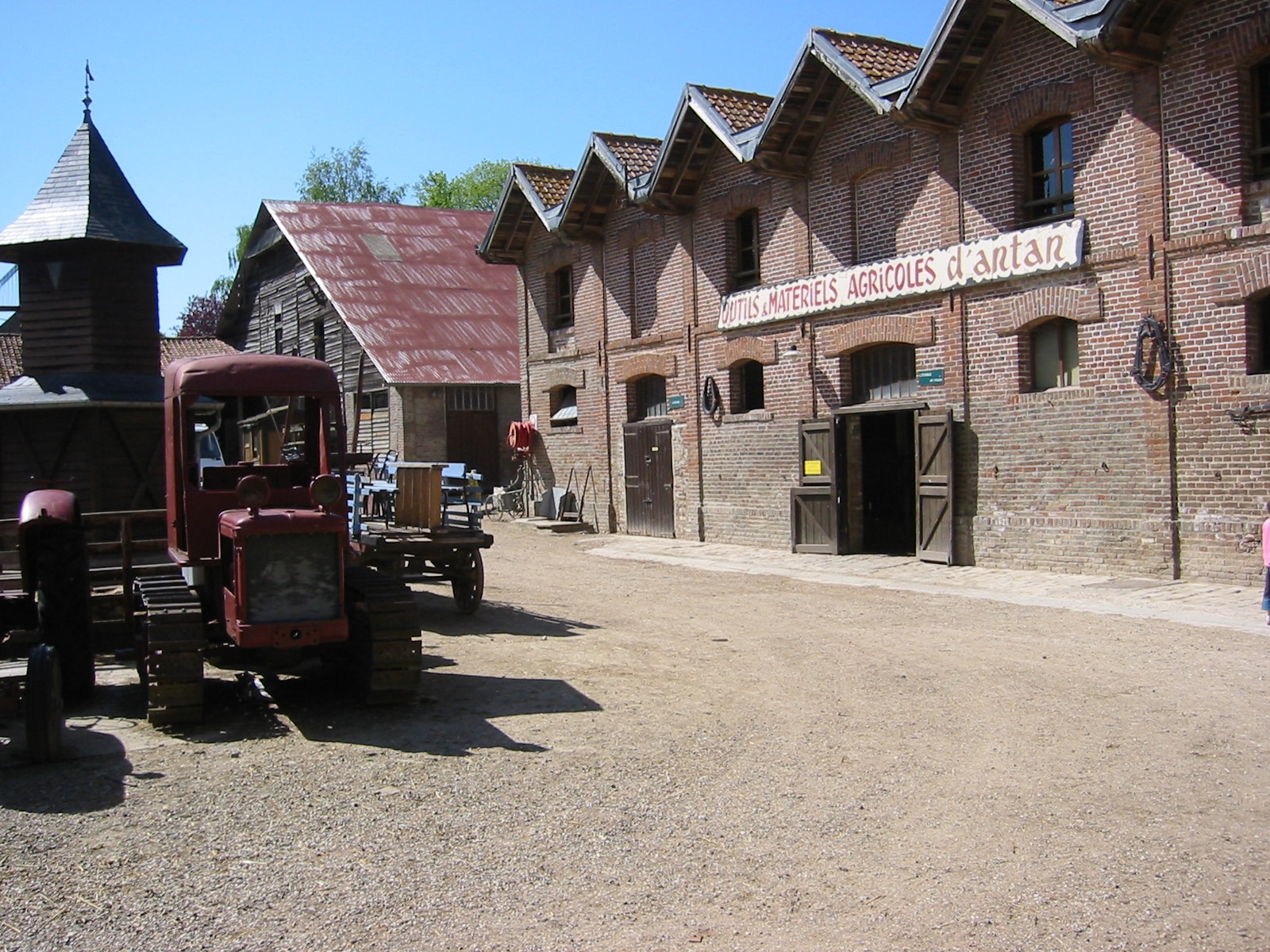
Antan Farm in Creuse is located 12 km south west of Amiens.
This organisation is first and foremost a living space for the farm’s inhabitants: horses, pigs, ponies, donkeys, sheep, goats, rabbits, cockerels, chickens, geese, ducks, pigeons, and more. It’s also a farming museum with numerous ancient pieces of equipment, as well as a place for all generations to relax and socialise. Its sawtooth roofing is reminiscent of the region’s factory buildings (such as in the valleys of Nièvre and Selle, and even Flixecourt and Saleux). In fact, the farm is a rare example of agricultural architecture from the second half of the 19th century. By 1880, it was even being used as a template for other farms.
1 Rue de Revelles 80480 Creuse / Tel: 03 22 38 98 58 / https://www.la-ferme-dantan.net
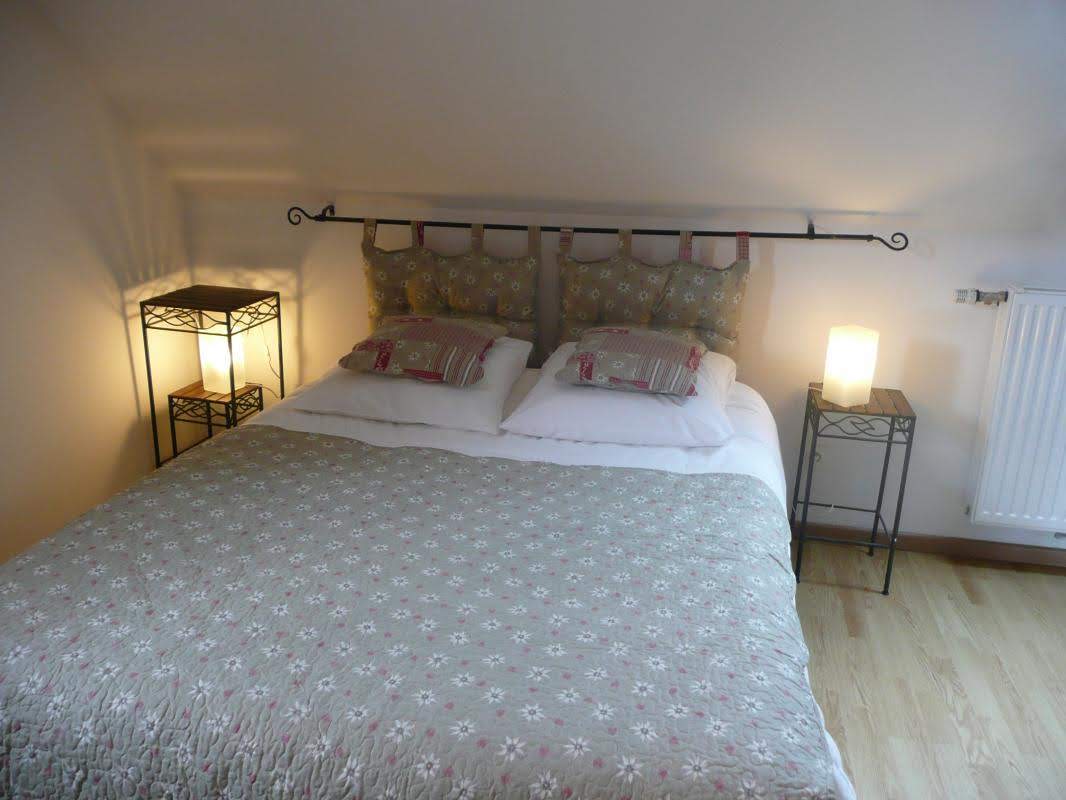
“Les Kintrabell” Guesthouses and Lodge in Saveuse
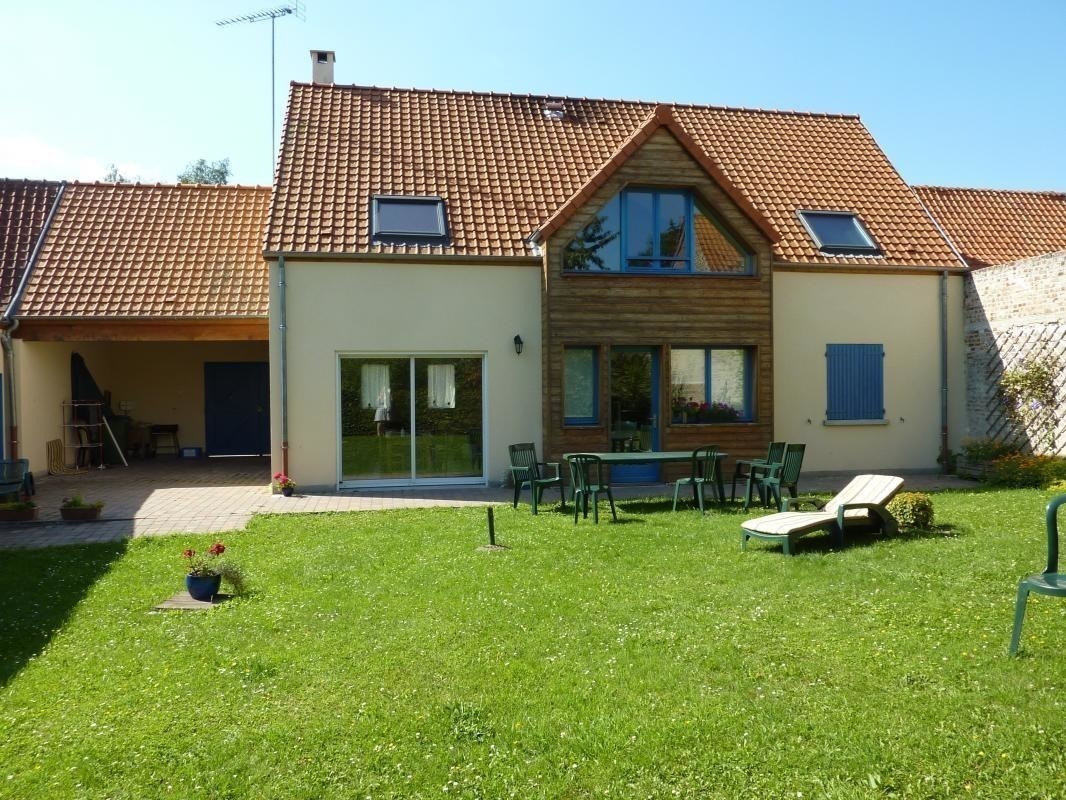
The four guesthouses and lodge of Les Kintrabell are located 10 minutes out of Amiens (in the western outskirts), at the top of the village of Saveuse. They’re in a farmhouse from the 19th century, adjacent to the owner’s house. Breakfasts are either served in a room for guests, or in a room belonging to the owners (with a log-burning fireplace and a terrace). There’s an exclusive carpark and courtyard, and also a terrace with outdoor furniture and a barbecue. You can pay the property a visit beforehand. You can also buy farm products from their shop.
Catherine et Georges DUFOUR – 3 Rue de l’Église 80470 SAVEUSE / Tel: 03 22 54 17 37 / http://www.leskintrabell.com/
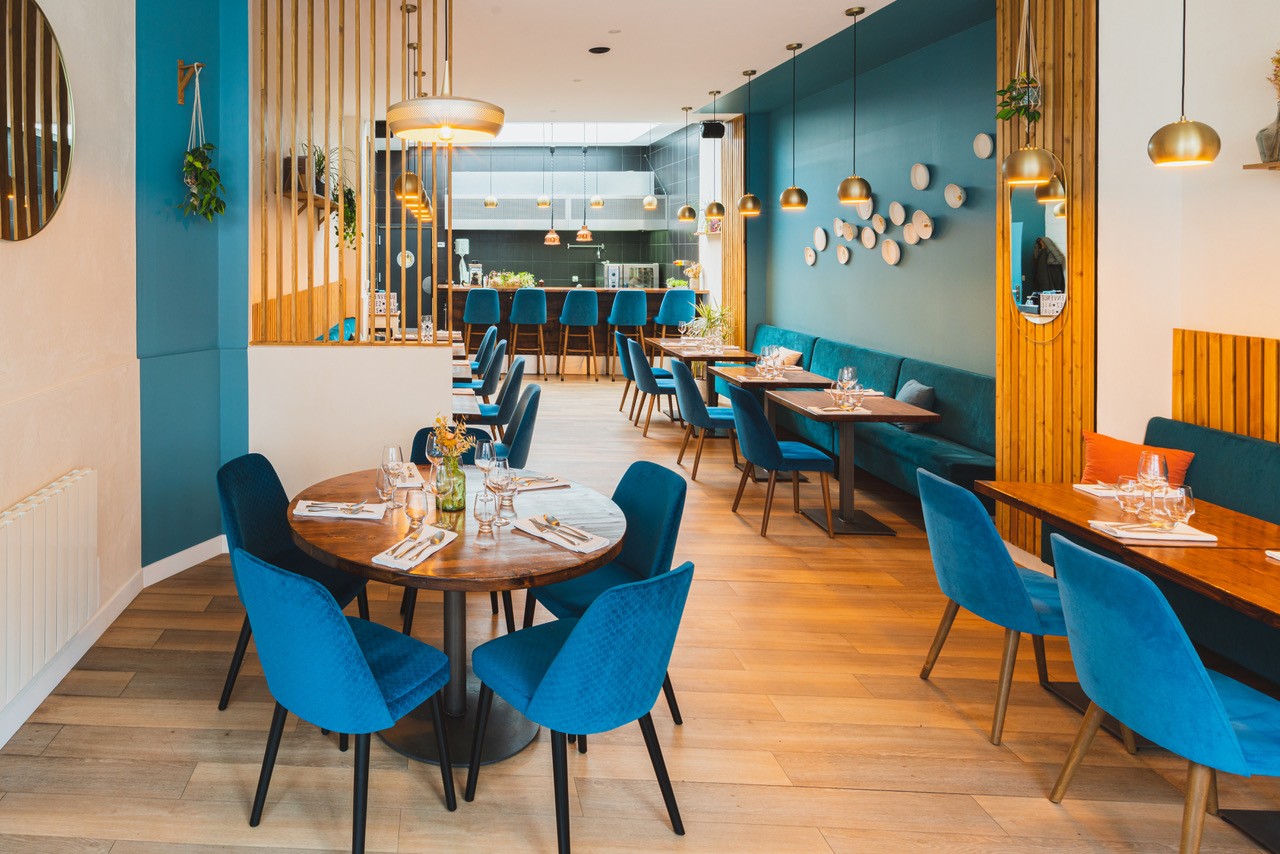
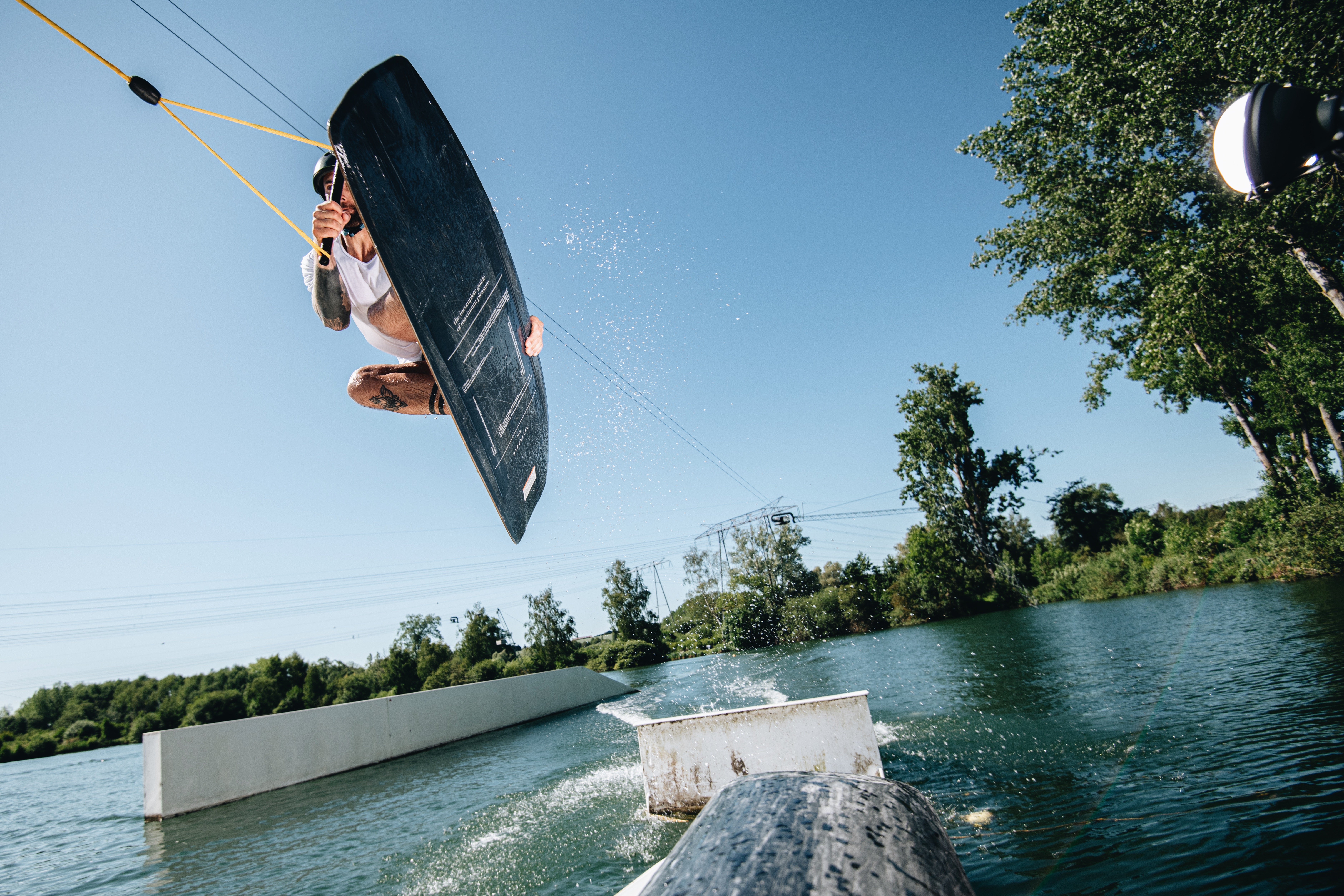

Discover the different things this area has to offer

Contact Virginie, our local expert
Office de Tourisme et des Congrès d’Amiens Métropole
23 Place Notre Dame
BP 11018
80 010 AMIENS Cedex 1
Tel : 03 22 71 60 50
Website : Amiens Métropole